







The Surge of Military Takeovers in Francophone Africa
Recent years have seen a string of military coups across Francophone Africa—most notably in Gabon, Burkina Faso, and Niger, as well as an attempted coup in Guinea Bissau. These takeovers come amidst mounting public frustrations over corruption, mismanagement, and stagnant development.
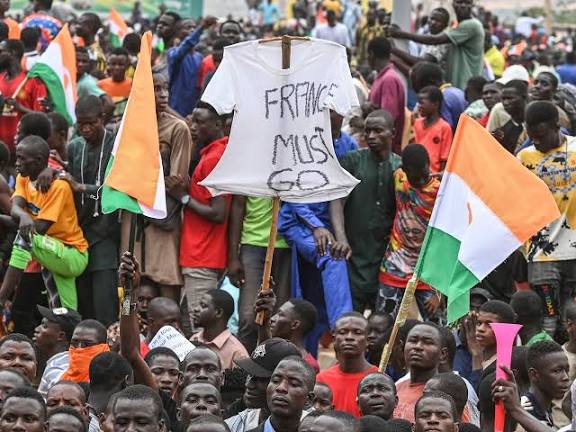
In countries like Burkina Faso and Niger, military leaders have gone as far as severing ties with France, their former colonial ruler, while strengthening relations with Russia. These new alliances have sparked heightened tensions. For instance, French diplomats were expelled from Burkina Faso for alleged espionage, and Niger ordered U.S. troops to leave its soil.
These coups were met with swift condemnation by ECOWAS, which responded with sanctions and even military intervention threats. Consequently, these countries have withdrawn from ECOWAS, questioning the regional bloc’s neutrality and effectiveness.
Roots of the Uprisings
These military interventions reveal the complex political dynamics in post-colonial Africa:
Mass discontent with political elites
Widespread calls for reforms
Perceived overreach by former colonial powers
Military regimes claim to be transitional forces, pledging to restore stability, fight corruption, and implement democratic reforms. In some neighboring countries, citizens have even celebrated the coups as acts of necessary liberation.
Ripples Across Anglophone Africa
Interestingly, similar sentiments of dissatisfaction exist in some Anglophone nations, though without the same outcomes. In Ghana, for example, economic hardship and corruption under the ruling NPP sparked unrest. Activist Oliver Barker-Vormawor of the FixTheCountry Movement called for systemic change and was arrested for allegedly suggesting a coup-like intervention.
This raises crucial questions:
Why have Francophone nations seen military takeovers while Anglophone countries remain under civilian rule—even amid similar levels of discontent?
Shifting Alliances: A Move Toward Autonomy?
The decision by some Francophone countries to break from France and ECOWAS signals a shift in foreign policy and a desire for greater sovereignty. But this movement also raises questions:
What does this mean for regional integration?
Can ECOWAS still be trusted to champion democracy and accountability?
Will the influence of Russia bring meaningful change—or substitute one dependency for another?
Reflections and Lessons
These events highlight urgent lessons for Africa:
Transparent and inclusive governance is essential for lasting political stability.
Regional blocs like ECOWAS must focus on equity, solidarity, and neutrality.
The legacy of colonialism must be honestly examined—especially in relation to modern governance failures.
While military regimes promise reforms, history teaches us to be cautious. Without clear timelines, checks, and inclusivity, military-led governments risk becoming as oppressive as the regimes that they were supposed to replace.
Open Questions for Africa’s Future
Will returning to flawed democratic systems genuinely serve the people?
Can military takeovers ever be justifiable solutions to governance crises?
How can Africa root out mismanagement and raise living standards sustainably?
Is Russia a reliable ally—or just another foreign power with its own interests?
How will the West respond to these shifts in African loyalty and control?
And finally…
> Why is it that Anglophone countries, facing the same levels of corruption and hardship, have not seen similar military interventions?