








What if the future of healthcare in Africa is not built in hospitals, but within communities themselves?
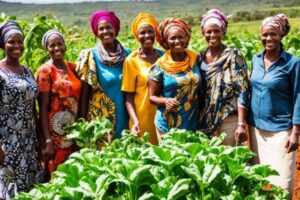
Across much of Africa, some of the most effective healthcare innovations are emerging far from major hospitals or research laboratories. Instead, they are being built within communities themselves.
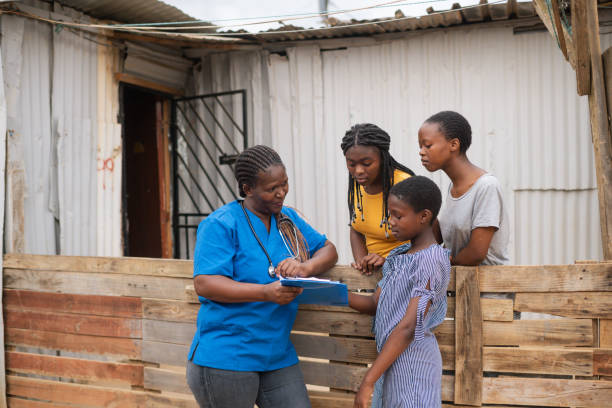
Localized health solutions, driven by community health workers, grassroots organizations, and social entrepreneurs, are increasingly transforming healthcare delivery across the continent. These systems emphasize prevention, early intervention, and accessible services designed around the daily realities of local populations.
In regions where national health systems face infrastructure gaps and shortages of medical professionals, community-based initiatives have become essential in extending care to millions of people. Rather than relying exclusively on centralized institutions, many African countries are building health resilience through decentralized networks rooted in community participation.
These systems demonstrate that effective healthcare often begins not in hospitals, but within neighborhoods and villages.
Why Community-Based Healthcare Matters in Africa
Access to healthcare remains uneven across much of the continent. Rural communities frequently face long travel distances to hospitals, shortages of medical staff, and limited diagnostic facilities.
According to the World Health Organization, many countries in Sub-Saharan Africa still face severe shortages of trained medical professionals relative to their populations. Community-centered healthcare offers a practical solution to these challenges.
By training local health workers and establishing decentralized service points, healthcare can reach households that would otherwise remain under-served. These initiatives often prioritize preventive care, vaccinations, maternal health monitoring, nutrition education, and disease prevention.
By addressing health risks early, community-based systems reduce the need for costly hospital interventions while improving long-term public health outcomes. Across Africa, this model has proven both scalable and effective.
- Ghana’s Community-Based Health Planning and Services (CHPS)
One of the most influential examples of community-based healthcare in Africa is Ghana’s Community-Based Health Planning and Services program. Launched by the Ghana Health Service, the CHPS initiative places trained nurses directly within rural communities rather than relying solely on centralized clinics.
Under the CHPS model, small health compounds are established in villages where nurses provide maternal care, vaccinations, family planning services, and basic treatment for common illnesses. Community volunteers also assist with outreach and health education.
Research has shown that the CHPS program significantly improved access to maternal and child healthcare in rural regions. By bringing healthcare services closer to households, Ghana has demonstrated how decentralized health infrastructure can dramatically expand access to care.
- Sierra Leone’s Community Health Workers After the Ebola Crisis
Following the devastating West African Ebola epidemic, Sierra Leone undertook major reforms to strengthen its healthcare system. A central pillar of these reforms was the expansion of a nationwide community health worker program coordinated by the Ministry of Health and Sanitation Sierra Leone.
Thousands of community health workers were trained to provide front-line healthcare services in rural communities. Their responsibilities include monitoring childhood illnesses, promoting vaccination programs, providing maternal health support, and reporting disease outbreaks.
The system is said to have significantly improved early detection of infectious diseases and strengthened community trust in the healthcare system. By embedding health surveillance directly within communities, Sierra Leone has created a more responsive and resilient public health infrastructure.
- Community Pharmacies and Primary Care in South Africa
In South Africa, local pharmacies are increasingly playing a role in expanding access to primary healthcare. Retail pharmacy networks have developed in-store clinic services that provide basic medical consultations, vaccinations, and health screenings.
These pharmacy-based clinics help relieve pressure on overcrowded public hospitals while making healthcare services more accessible in urban and peri-urban communities. Patients can receive services such as blood pressure monitoring, HIV testing, and minor illness treatment without needing to visit major hospitals.
This model is based on a partnership between private sector and public healthcare systems.
- Senegal’s Community Health Huts
In Senegal, one of the most successful local healthcare initiatives has been the development of community health huts. These small health posts, known locally as “cases de santé,” are managed by trained community volunteers under the supervision of the Ministry of Health and Social Action Senegal.
Health huts provide basic medical services, distribute essential medicines, and promote preventive health education within villages. They also play an important role in maternal health by supporting prenatal consultations and encouraging women to seek skilled medical care during childbirth.
Because these facilities are embedded within communities, they are often more accessible and trusted than distant clinics. Senegal’s experience shows how simple infrastructure combined with local participation can significantly improve healthcare access in rural areas.
- Malawi’s Community Maternal Health Programs
Maternal health remains a major priority in many African countries, and Malawi has developed innovative community-based approaches to address this challenge.
Local programs supported by organizations such as Save the Children have trained community volunteers to support pregnant women through health education, prenatal monitoring, and referrals to medical facilities. These volunteers work closely with traditional leaders and families to promote safe childbirth practices and encourage early clinic visits during pregnancy.
Studies have shown that community maternal health programs in Malawi have improved prenatal care attendance and increased the number of women delivering in health facilities. By engaging local communities directly, these programs help overcome cultural and logistical barriers that often prevent women from accessing formal healthcare.
Preventive Healthcare as the Foundation of Health Resilience
A defining feature of many localized health solutions across Africa is their strong emphasis on prevention. Community health workers educate households about sanitation, nutrition, immunization, and disease prevention.
These interventions reduce the likelihood of illness before medical treatment becomes necessary. Preventive healthcare also lowers healthcare costs for both families and governments.
By addressing health risks early, communities can avoid expensive medical emergencies and reduce pressure on hospitals. This preventive model reflects a broader philosophy: health systems are most effective when they empower communities to protect their own well-being.
Grassroots Health Innovation Across the Continent
The rise of community-centered healthcare reflects a broader wave of social innovation across Africa. Rather than relying solely on centralized institutions, many countries are experimenting with decentralized solutions that leverage local knowledge, community leadership, and grassroots participation.
These models are often more adaptable than conventional healthcare systems because they are rooted in the lived realities of the populations they serve. In doing so, they demonstrate that healthcare innovation can emerge from communities themselves, not just from large institutions or global organizations.
The Future of Community-Centered Healthcare in Africa
As Africa’s population grows and urbanization accelerates, demand for healthcare services will continue to rise. Expanding hospital infrastructure will remain essential, but community-based systems are likely to remain a cornerstone of healthcare delivery across the continent.
Investments in community health workers, decentralized clinics, and preventive care programs can dramatically improve health outcomes without requiring massive centralized infrastructure.
Africa’s emerging healthcare model therefore offers a powerful lesson: sustainable health systems are built not only in hospitals but also in communities. By placing people at the center of healthcare delivery, grassroots innovation is helping shape a more resilient future for public health across the continent.