







What Is Farming?
Farming is fundamentally recognized as the practice of breeding animals or cultivating crops for food consumption, clothing and other essential uses. Within Africentric societies, however, farming transcends mere production; it is a profound reflection of cultural wealth, identity and communal self-reliance. This legacy of agrarian innovation offers a sophisticated blueprint for modern food sovereignty and community-led land justice.
Who Were the African Farmers?
The foundational farmers of Southern Africa were ancestral communities who participated in the Great Expansion of Agrarian Peoples, the direct forebears of modern-day groups such as the Nguni (including the Ndebele), Sotho-Tswana and Shona. Archaeological research confirms these pioneers were established in the region for nearly two millennia. These communities were hubs of African solidarity, engaging in dynamic trade and knowledge systems with indigenous San and Khoikhoi groups. This era was defined by a sophisticated cultural fusion, evidenced today by the integration of unique click sounds from Khoisan dialects into languages like Xhosa and Zulu.
- The Shona: The Architects of Grain and Stone
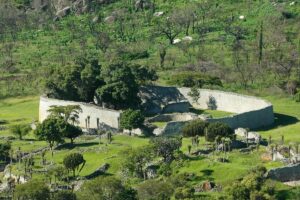
The Shona (including groups like the Karanga, Zezuru and Manyika) are the direct descendants of the pioneering farmers who moved into the region around 250 AD. Their society was built on the mastery of the landscape and a deep respect for their heritage. They were expect grain farmers who strategically utilized summer rainfall regions to pioneer the cultivation of drought resilient crops like sorghum, millet and rapoko.
- The Ndebele: Pastoralist Innovation and social wealth
The Ndebele brought a distinct focus on livestock and social organization to the southern plateau, blending their Nguni heritage with the existing agrarian system. For the Ndebele cattle were mobile wealth and served as a multi-dimensional indicator of power. They acted as currency for lobola and community fines. Their villages were organized in a strict circle around a central cattle enclosure, symbolizing that the community’s wealth was protected at its heart.
Agricultural crops and livestock
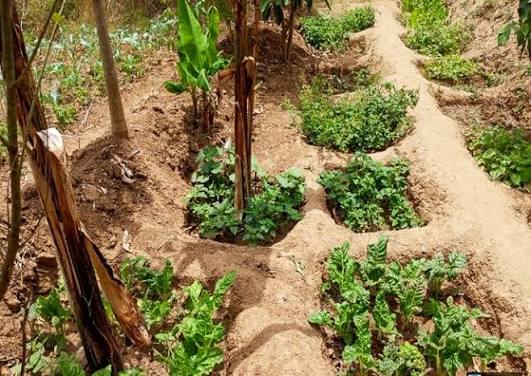
These innovators strategically utilized summer rainfall regions to pioneer specialized cultivation. Far from being a simple survival task, their agricultural systems were highly organized and integrated with the local ecosystem.
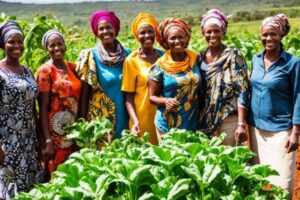
Historically, labor was a collaboration rooted in community resilience. While the introduction of the ox-plough shifted physical cultivation toward men, women remained the primary keepers of Indigenous Knowledge Systems (IKS), managing the complex science of seed selection, medicinal plant gathering and post-harvest preservation
| Agrarian Component | Primary Examples | Ecological and Cultural Role |
| Grains and Legumes | Sorghum, Millet, Beans | Drought-resilient nutrition and nitrogen-fixing soil health. |
| Fruits and Vegetables | Pumpkins, Watermelons, Maize | High-yield food security and nutrient density. |
| Livestock | Cattle, Sheep, Goats | Mobile wealth, organic fertilizer and social capital. |
Village Life and Social Structure
Villages were organized to prioritize collective safety and asset management. Homesteads, or kraals, featured clay dwellings with thatched roofs arranged in a circle around a central cattle enclosure. This layout symbolized that the community’s wealth was protected at its heart. It was a physical manifestation of Ubuntu.
Governance was a model of accountability and collective wisdom:
- Headmen: Stewards of individual homesteads and daily communal affairs.
- Chiefs: Guided multiple communities based on the collective will.
- Council of Elders: Served as a check on power, ensuring that all community voices were heard before decisions were made.
- Youth and Warriors: The youth collaborated with elders to protect the land, crops and the community’s heritage.
Attitudes toward Land and Property
In these societies, land was a communal resource. This people-first model ensured that every family held a self-determined right to the resources needed for food production, fostering true empowerment. In contrast, cattle were individual property and served as a multi-dimensional indicator of power and cultural wealth. Cattle were essential for their immense versatility:
- Sustainability: Dung served as fuel and organic plaster for homes.
- Social Contracts: Cattle acted as currency for community fines and as lobola
- Materials: Hides were used for clothing, bags and traditional shields.
Traditional Healing and Spirituality
Spirituality and wellness were inextricably linked to the land’s success. Sangomas (traditional healers) utilized indigenous knowledge systems, including medicinal plants and ancestral communication, to act as environmental stewards. They provided the spiritual and medical support necessary to ensure a bountiful harvest and a healthy community.
Metal Work and Tools
African farmers were master metalworkers who extracted iron and copper from rock using sophisticated technological processes. Using bellows crafted from animal skins, they built specialized furnaces to forge the tools that powered their society, including axes for land clearing and hoes for precision farming. These forged items were not just tools; they were symbols of a society that mastered its environment through innovation and entrepreneurship.
Today, this digital age allows us to share these ancient practices on a global platform, connecting the diaspora to their roots.