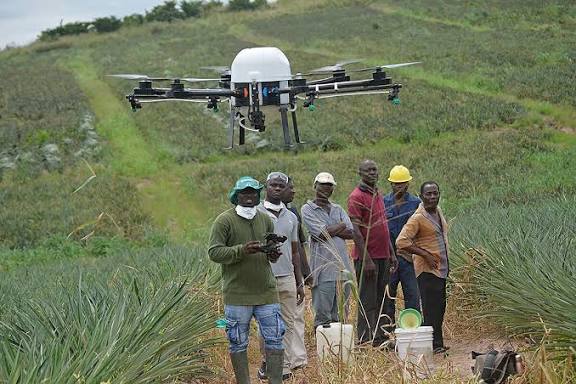










For decades, conversations about engineering and technology in Africa have been framed by what is missing — infrastructure, capital, expertise. This deficit-focused narrative has long overshadowed the ingenuity already present on the continent. In Zimbabwe, however, a different story is steadily taking shape. Engineers are developing solutions that are not imported templates, but ideas grown from African soil — shaped by local realities, social needs, and environmental limits.
This shift is redefining what sustainability means. Rather than being an external standard imposed from elsewhere, sustainability in Zimbabwe is becoming a lived, practical ethic — rooted in community, necessity, and resilience.
In rural parts of the country, where reliable electricity remains elusive, engineers such as Lindsay Tshamala are leading transformative efforts. By designing solar power systems tailored for off-grid environments, they are creating more than experimental projects. These are working infrastructures that light classrooms, power computer laboratories, and preserve essential medicines through refrigeration. Each installation quietly disrupts the assumption that African technological progress must depend on outside intervention.
Renewable energy, in this context, is not simply an environmental choice — it is a statement of agency. It reduces dependence on costly diesel generators and fragile national grids while placing control directly in the hands of communities. The result is not just electricity, but confidence: proof that sustainable systems can be designed, maintained, and owned locally.
Energy access, however, is never just a technical issue. It is deeply political. Schools without electricity are effectively excluded from modern knowledge systems, limiting students’ exposure to digital learning and future opportunities. By restoring power, these engineering projects reconnect rural learners to the wider world. Design choices such as modular systems, local maintenance training, and community ownership ensure that these solutions last beyond their installation — strengthening resilience rather than creating new dependencies.
In Zimbabwe, sustainability is not a distant aspiration. It is a necessity shaped by lived experience. Engineers are learning to work within environmental limits, use available resources wisely, and design systems that endure. In doing so, they are reclaiming the development narrative — asserting that African engineers are not passive recipients of technology, but active creators of solutions that reflect their own realities.
What is emerging from Zimbabwe is not just innovation, but a philosophy: development that grows from the ground up, honours local knowledge, and proves that lasting progress is built closest to home.