







Pursuing a career in engineering in Zimbabwe often means living with a paradox: possessing advanced technical knowledge while operating within persistent structural constraints. For many engineers, however, this tension is not discouraging. Instead, it shapes how they understand their work. Engineering is not viewed merely as a profession, but as a responsibility—one rooted in service, resilience, and collective progress.
Adaptability sits at the heart of Zimbabwean engineering practice. While formal education provides essential theoretical grounding, true competence is developed in the field—by working through resource limitations, improvising with what is available, and designing systems that can function reliably without constant external support. These skills, often overlooked in global engineering narratives, are central to African technical expertise and reflect a deep understanding of context-driven problem-solving.
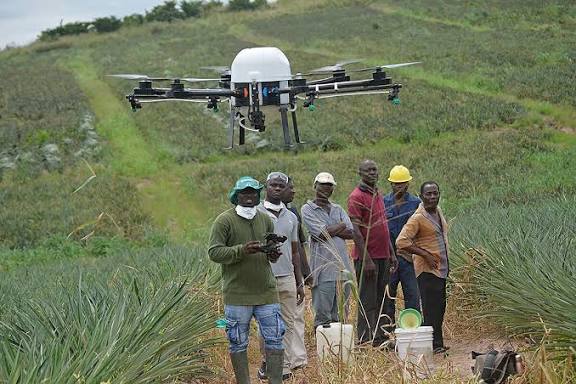
Practical, hands-on experience plays a defining role in shaping engineers across the country. Students and early-career professionals are encouraged to engage directly with real projects, from solar energy installations and water purification systems to community-based robotics initiatives. In these spaces, theory meets lived reality. Learning becomes participatory and purposeful, reinforcing long-standing African traditions in which knowledge is inseparable from practice and service to the community.
Mentorship is another cornerstone of Zimbabwe’s engineering ecosystem. Senior engineers frequently describe their role as custodial rather than competitive. Knowledge is shared with the intention of strengthening collective capacity, not simply advancing individual careers. Professional bodies, alumni networks, and informal mentoring relationships provide critical support in an environment where institutional resources may be limited. Through mentorship, experience becomes a communal asset rather than a private advantage.
Systemic challenges remain a constant presence. Limited funding, complex regulatory environments, and aging infrastructure often slow the pace of innovation. Yet Zimbabwean engineers respond with creativity and cooperation. By collaborating across sectors, scaling projects incrementally, and forming partnerships with universities, NGOs, and local communities, they continue to push boundaries. These responses echo deeply rooted African strategies for survival and progress—grounded in adaptability, shared effort, and resilience.
At the same time, new opportunities are emerging. Fields such as renewable energy, advanced water systems, mining automation, and STEM education are expanding rapidly. Engineers who combine technical expertise with interdisciplinary thinking and social awareness are well positioned to lead in these spaces. Success, in this context, is not measured solely by professional status or personal gain, but by the tangible impact one’s work has on society.
In today’s Zimbabwe, engineering is increasingly understood as a civic practice. When grounded in African consciousness, it becomes a tool for reclaiming agency, restoring dignity, and imagining new possibilities within challenging environments. Through responsibility-driven practice, Zimbabwean engineers are not only building systems—they are shaping futures.