










Substance use among adolescents is believed to be a growing major public health concern in Africa although this phenomenon does not appear to have been definitively mapped and documented across the continent.
Knowledge of the true extent and causes of adolescent substance use in Africa is therefore limited, perhaps due to socio-environmental factors, competing health priorities and limited treatment options.
A general view of the topic
Recent studies, nonetheless, suggest that there is a high prevalence of substance use among young Africans when compared to the general African population.
A recently published review done by Biomed Central is said to have revealed that the overall prevalence of ‘any substance use’ among adolescents in sub-Saharan African is 41.6%, with alcohol and tobacco being the highest prevailing substances consumed across the continent, compared to other substance use.
A few region-specific patterns of substance abuse have also been identified, highlighting the need for region or country specific, and culturally appropriate interventions and policies. East Africa and southern Africa are said to be highly affected by meth use. Whilst the highly affected regions are said to be west and central Africa due to high corruption and weak boarder post security.
Substance abuse comes with associated physical and psychosocial problems such as fighting, vandalism, theft, engaging in unprotected sex, sexually transmitted infections, personal injury, vehicular fatalities, medical problems and impaired relationships with family and friends, juvenile delinquency and other problems associated with physical and mental health.
What is substance abuse
According to drugfreeworld.org, there is an estimated 208 million people internationally who consume illegal substances.
Someone can be said to be engaging in substance / drug abuse when they are involved in the repeated use of any substance that is harmful to their body and to others. This includes both illegal and legal substances including prescription drugs. We can therefore say anyone who uses a drug for a purpose it wasn’t meant for is also engaged in drug abuse.
Types of substance use
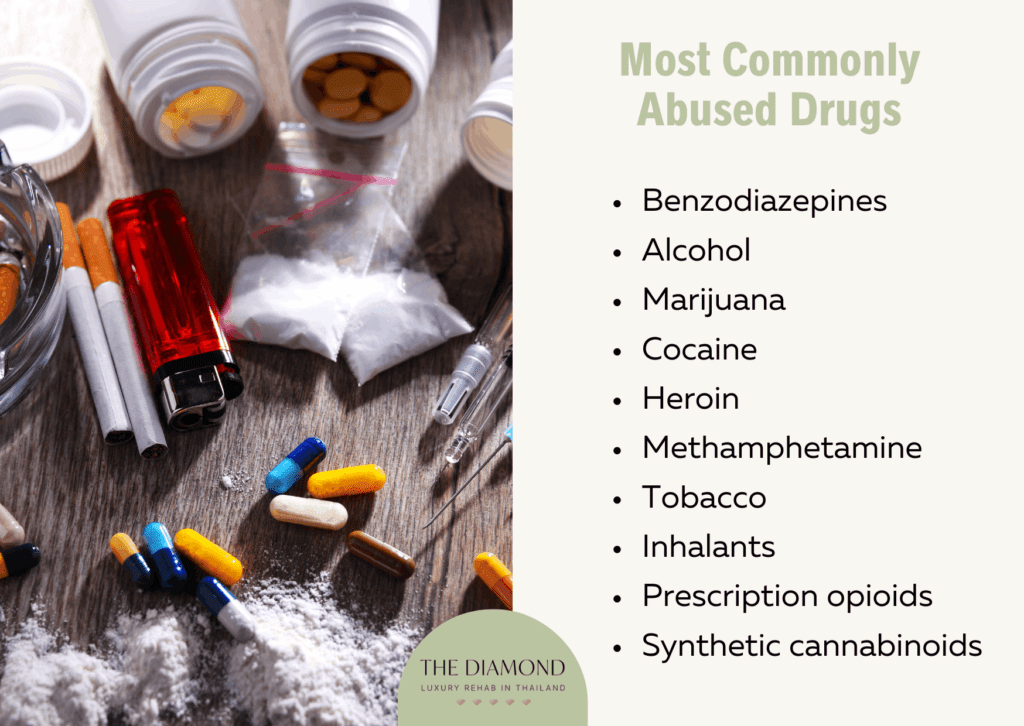
The most popular alcohols consumed in Africa and Zimbabwe, more specifically, are spirit canes, brandy, and whiskey (cranco) usually in small bottles ranging from 250ml to 500ml.
Nyaope woonga, a drug that first emerged in South Africa around 2009, is one of the most popular drugs being used. It is made from black tar heroin and at times mixed with other substances. It is mostly used in poor neighbourhoods. Other drugs include crystal meth (also known as mutoriro, ice/ matombo), cocaine, crack cocaine, nicotine, marijuana (also known as dagga, weed, smoke, dope, mbanje, ganja) and even cough syrup. The use of opioids such as Tramadol are also reported to be on the increase.
So what factors are responsible
The causes of substance abuse like any health issue are determined by complex interactions between social and economic factors, the physical environment and individual behaviour.
There doesn’t appear to be any data that provides an accurate understanding of the causes of the rise of substance use in Africa. However, broadly speaking family, social networks and peer pressure are key influencers of substance abuse among adolescents.
Studies indicate that having family or friends who use substances is a key risk factor. Childhood trauma and adverse experience like physical, emotional, and sexual abuse are other significant risk factors for substance use.
Adding on to that, Africans are urbanising at a high rate leaving their cultural norms and values behind, grasping instead to western culture.
Other demographic and socioeconomic risk factors have included being a young male, lack of academic education, an adolescent with divorced parents, unemployed or a fully employed mother, and private school attendance.
Psychosocial reasons given for why people take drugs include the desire to escape reality/ help themselves relax from the obstacles of the outside world as well as to relieve boredom, trying to fit in, and the desire for experimentation.
Above is a breakdown of the influences believed to be causes of substance abuse, created by Pediatric Clinics.
Some differences have also been noted between urban and rural adolescent populations. Living in an urban area in Africa, having friends who use substances and a mother with tertiary education are also considered to be high risk factors whilst parental disapproval of substance use is a protective factor.
Social media is another key factor because young Africans are trying to mimic what they see in the media, to be a part of what’s called the new “swag”. This trend is happening despite the evidence of the increased risks of severe health, economic and social problems due to substance use.
The lockdowns of 2020 are believed to have played an important role in what appears to be becoming a crisis for Africa’s youth. Many rules and regulations were implemented which isolated people from others. This lack of social interaction left many young people feeling very isolated and anxious about the future. Studies have shown that they did expose young people to unprecedented mental health issues, and those with pre-existing mental health conditions feeling even more vulnerable.
How substances affect the user – some examples
The amount of substance taken determines the effect. Depending on the amount consumed, substances can act as stimulants or as a sedative.
Excessive intake of substances may result in death or serious illnesses.
Alcohol commonly referred to as booze, hooch, sauce and brew influences the brain leading to a loss of coordination by the body, distorted vision/ hallucinations, memory lapses and black outs. Its effects can either be long term or short term. Excessive intake of alcohol may result in headaches, vomiting, anxiety, poor appetite, and violence. It can also cause liver damage and increases the risk of heart disease. Alcohol can cause defects to a baby’s organs when consumed by a pregnant woman. It can be highly addictive when consumed for psychosocial reasons.
Crystal meth is also highly addictive. It can cause aggression or violent behaviour. Common symptoms include weight loss, disturbed sleep patterns (insomnia), violence, hallucinations, and convulsions. It can also lead to memory loss, brain damage, mood swings and cause liver, brain, lung, and kidney damage.
Crack cocaine can also cause insomnia, convulsions, anger, mood swings, paranoia and depression.
Dagga/ marijuana can cause distortion in vision and hearing, sleepiness due to too much relaxation of the muscles. It can also damage the lungs and heart, also causing coughing and sneezing.
Solutions to tackle the rise of substance abuse
Education programmes about the cons of alcohol abuse and drugs use, mental health and counselling services to help addicts, and community building initiatives go a long way to dealing with the prevention and cure of substance abuse.
However, the causes must be tackled too. To do this, it is very important to unpick and understand the trigger factors that are contributing to this increase in alcohol abuse and drug use amongst African youth:
- The alienation from the protective factors of their traditions and culture
- The overexposure to foreign media and culture which promote behaviours that appear cool but are in fact damaging
- The ready supply of drugs and alcohol – the question of where these drugs and alcohol are coming from do merit some investigation
The report Africa Region Overview should give us food for thought as to the very organised nature of the drugs trade.