






In Africa, the drum is more than just a musical instrument – it is a language, a memory keeper, and a storyteller.
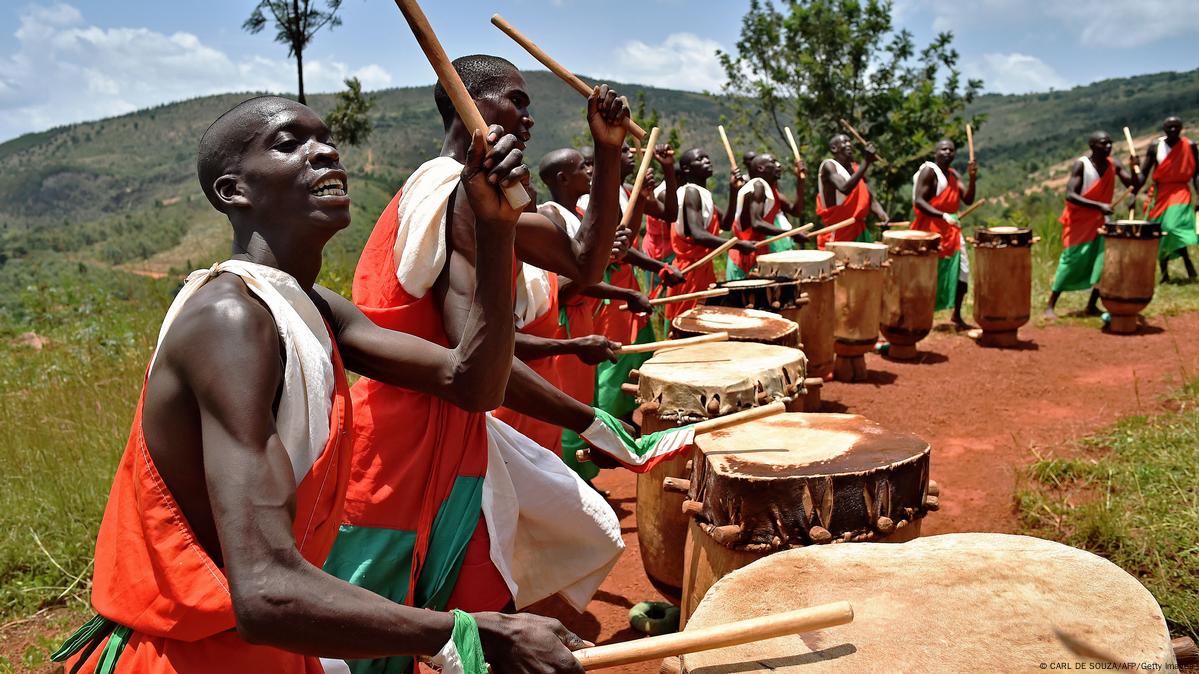
Before the written word, Africans told their histories through rhythm. The drum was the heartbeat of the village – used in celebration, mourning, battle, prayer, and rites of passage. It spoke when words failed. It connected the living to the spirits of the ancestors.
A Messenger in Rhythm
From the ‘talking drums’ of West Africa to the deep-toned ngoma drums of Central and Southern Africa, each beat had meaning. Skilled drummers could mimic speech patterns, sending coded messages across great distances. In some regions, drums could ‘speak’ names, announce births, warn of danger, or summon communities to gather.
Carving Culture
Every drum was hand-carved – not just as an instrument but as a sacred artifact. The choice of wood, the animal skin used, and the shape all mattered. They represented tribal identity, spiritual beliefs, and respect for nature.
The Drum as a Storyteller
When griots (oral historians) told stories of kings, warriors, and ancestors, drums carried the emotion – thunder for war, soft taps for sorrow, rising crescendos for triumph. Through rhythm, they preserved histories never written down but never forgotten.
Still Beating Today
In modern times, African drums have crossed oceans and shaped global music – from jazz and reggae to hip-hop and house. Yet on the continent, they remain central to identity. From traditional ceremonies to Afrobeat concerts, the drum continues to speak – of resilience, pride, and unity. The drum reminds us that African stories were never silent. They were sung, felt, and echoed – through hands, hides, and heartbeat.