






From the Sahel’s zai pits to Ethiopia’s forest gardens and Zimbabwe’s communal fields, Africa’s indigenous farming systems are merging with modern eco-practices to regenerate land, build resilience, and inspire a new generation of sustainable farmers.
Reclaiming the Wisdom of the Soil
Across Africa, the seeds of sustainability have been here all along – buried not in laboratories, but in the memory of the land. Before “organic” became a trend, African farmers practiced agriculture in rhythm with nature: rotating crops, nurturing soils, saving seeds, and sharing labor. Now, as climate change tightens its grip, a new movement is reviving these time-tested practices. From Senegal to Zimbabwe, from Madagascar to Morocco, indigenous farming systems are being blended with modern sustainability tools – proving that Africa’s path to food security is both rooted and revolutionary. This is the story of Green Roots, where tradition meets innovation, and ancestral wisdom powers the future of sustainable farming.
Ancient Wisdom, Modern Science
For centuries, African farmers understood what modern science is rediscovering: that soil is alive, ecosystems are interdependent, and sustainability begins with balance. In Burkina Faso, farmers are reviving zai pits, micro-basins filled with organic compost that capture scarce rainwater and restore fertility to degraded soils. Once dismissed as primitive, these pits have turned barren Sahelian lands green again. In Niger, the Farmer-Managed Natural Regeneration (FMNR) movement encourages farmers to protect and prune tree stumps rather than cut them down, regenerating millions of hectares of land. These ancient techniques are now being validated by agroecologists worldwide for their low cost, scalability, and climate resilience.
“Our ancestors farmed with humility toward the earth. Now we farm with science and respect — together they can heal the land.” – Awa Abdoulaye, FMNR champion, Niger
Agroecology: Living in Harmony with Nature
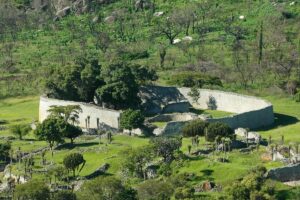
Across Africa, communities are embracing agroecology – farming systems that combine ecological science with cultural heritage. In Ethiopia’s Gedeo Highlands, farmers practice a centuries-old multi-layered agroforestry system, cultivating enset, coffee, fruit trees, and livestock on the same plots. This “living mosaic” preserves biodiversity while feeding families year-round. In Tanzania’s Chagga Communities, farmers blend bananas, coffee, and trees in home gardens on the slopes of Mount Kilimanjaro, Chagga, that create microclimates, protect soil, and sustain generations. Zimbabwe’s Zunde raMambo or Isiphala seNkosi – a traditional communal field system where villagers farm together under the chief’s leadership, pooling labor to produce food for vulnerable families. NGOs are now integrating this practice into community-based food security programs. These systems prove that indigenous cooperation and modern sustainability principles are natural allies.
Seeds of Resilience: Indigenous Crops and Local Biodiversity
Climate resilience in Africa is not just about new technologies – it’s about old seeds. Across the continent, farmers are rediscovering indigenous crops that thrive where imported varieties fail. In Malawi and Zambia, women-led seed banks conserve traditional grains like sorghum, millet, and cowpeas, ensuring community control over seed diversity. In Ghana, the revival of Fonio, an ancient grain once called “the seed of the universe,” is improving nutrition and climate resilience. In Sudan and Eritrea, farmers are returning to teff and bambara nuts, crops that need little water but offer high protein. These crops are the guardians of Africa’s biodiversity – resistant to droughts, tolerant of poor soils, and rich in cultural memory.
“When we plant indigenous seeds, we plant our heritage and our future.” – Fadzai Madzingira, agroecologist, Zimbabwe
Women: Guardians of the Green Heritage
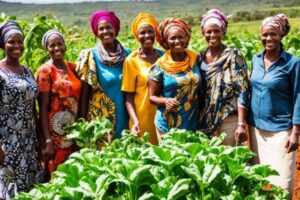
Across the continent, women are not just farming, they are leading the renewal of sustainable agriculture. They hold generations of wisdom about soil fertility, seed preservation, and food processing. In Ghana, women’s cooperatives are blending traditional composting methods with modern permaculture designs. In Zimbabwe’s Lupane District, women are reviving drought-tolerant small grains and natural storage techniques. In Kenya’s Turkana region, pastoralist women are leading restoration projects using indigenous grasses to stabilize soils and support livestock. Empowering women is not an add-on to sustainability, it is the backbone of it.
Youth and Technology: Tradition Re-imagined
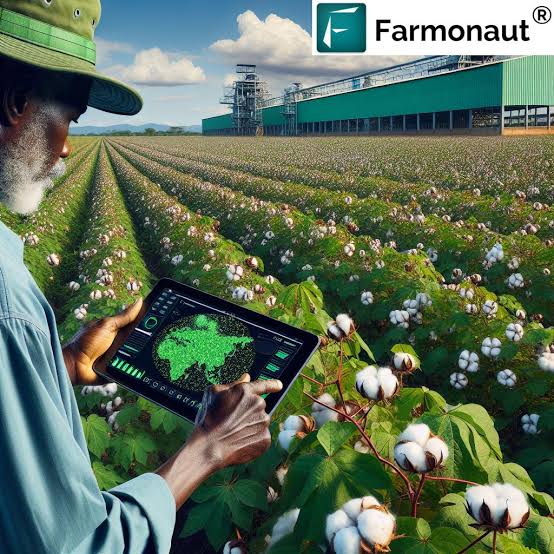
Across Africa, a new generation of eco-smart youth is coding the old ways into modern tools. In Nigeria, the startup Hello Tractor merges tradition and tech by connecting farmers to affordable tractor services through mobile apps, increasing productivity while reducing soil compaction through smart scheduling. In Zambia, AgriPredict uses AI to help smallholders identify pests and diseases early, integrating local indigenous remedies into its advisory database. In Rwanda, youth-led digital cooperatives map indigenous crops, recording ancestral planting calendars and soil management techniques. This synergy between elders’ wisdom and youth innovation ensures that Africa’s green roots are also digital roots – deep, adaptive, and connected.
Sustainability in Motion: Regional Success Stories
Africa’s agricultural resilience is a mosaic of local triumphs. In Morocco and Algeria, oasis farmers combine palm groves, fruit trees, and vegetables in multi-layered irrigation systems that conserve scarce water. In Cameroon and the Democratic Republic of Congo, indigenous forest gardeners blend cocoa, cassava, and medicinal trees to maintain biodiversity while generating income. In Namibia and Botswana, pastoralists use rotational grazing and traditional water-hole management to sustain fragile rangelands. In Madagascar, community-led forest gardens mix vanilla and native trees, balancing livelihoods with biodiversity conservation. Each region tells a story of balance between people and planet, past and present, tradition and transformation.
Lessons for the Global Future
As industrial agriculture strains the planet, the world is looking to Africa’s ancestral models for guidance. These systems remind us that food security is not achieved by conquering nature, but by cooperating with it. Just as agroforestry captures carbon and cools microclimates, intercropping and polycultures rebuild soil life, while community seed banks preserve diversity for future generations. Therefore, the answer to sustainable farming is not innovation instead of tradition, rather it is innovation through tradition.