



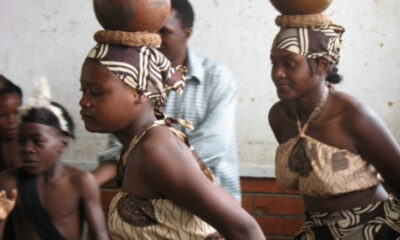
Origins and Meaning
Ngoma is a traditional dance that originated in Zimbabwe and is deeply embedded in cultural rituals and celebrations. The word “Ngoma” means “drum” in the Shona language, emphasizing the instrument’s central role in this vibrant dance form.
Cultural and Spiritual Importance
Ngoma is performed at weddings, funerals, initiation rituals, and national celebrations. It is not only a form of entertainment but a medium for healing, spirituality, and community unity. Dancers often enter a trance-like state, believed to connect them to ancestors and divine forces.
Dance Characteristics
Involves intricate footwork, acrobatic movements (flips, leaps, high kicks), and fluid body gestures.
Performed by both men and women—men focusing on athleticism, women on grace.
Dance often structured in circles, led by a “gogo” (lead dancer) in the center.
Call-and-response interaction between dancers and drummers is key.
Attire and Symbolism
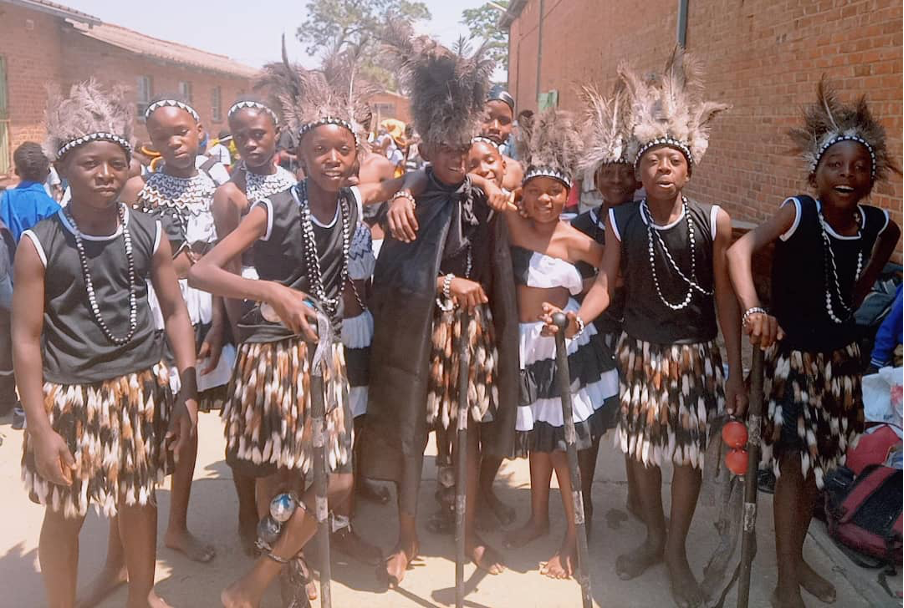
Dancers wear colorful costumes: animal skins, beads, traditional skirts, and painted masks.
Women wear attire symbolizing femininity and spirit possession, such as black-and-white wraps.
Masks represent ancestral spirits or cultural archetypes.
Musical Accompaniment
Ngoma is powered by:
Drums: various traditional types such as mutandarikwa and gandira.
Hosho (shakers) and bells, creating hypnotic rhythms.
Mbira (thumb piano) in spiritual variants like the “Mbira Dance.”
Variations and Styles
Ngoma includes diverse forms:
Jiti/Jit – fast-paced and performed at celebrations.
Bira – slower, meditative, used in rituals.
Styles vary across regions but retain the core rhythm, posture, and cultural symbols.
Social and Political Role
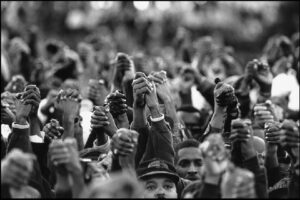
Historically, Ngoma was used as a tool of protest during colonial times. Performers included messages of resistance, empowerment, and identity preservation. Today, it remains a voice for the cultural and political spirit of Zimbabweans.
Modern Influence and Preservation
Taught in schools and universities.
Incorporated into hip-hop, pop, ballet, and contemporary arts.
Promoted by institutions like the Amakhosi Cultural Centre and Tumbuka Dance Company.
Recognized as a national treasure by the Zimbabwean government.
Notable Songs and Dances
Famous Ngoma tunes and performances include:
Sekuru Manonoka
Chingungunde
Mudzimu Dzoka
Wada Nen’anga
Jit/Gwindingwi Rine Shumba — a celebratory wedding dance.
Regional Reach and Globalization
Ngoma’s influence stretches to Zambia, Malawi, Mozambique, and parts of South Africa. While deeply traditional, it has evolved into a universal cultural expression appreciated globally.
Conclusion
Ngoma is more than a dance—it is a living archive of Zimbabwe’s identity. As it continues to evolve and influence modern arts, Ngoma remains a proud emblem of African spirituality, resilience, and cultural celebration.