




From Lagos to Luanda, Nairobi to Johannesburg, African artists are breaking boundaries and topping international charts. Explore how Afrobeats, Amapiano, and more are transforming global pop culture while amplifying Africa’s creative power.
Africa Is Not Emerging – It has Arrived
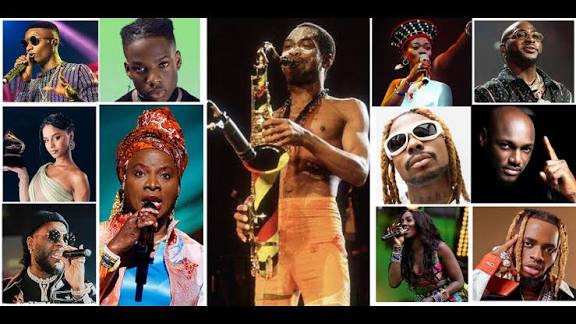
There was a time when Africa’s music was labeled “world music.” Now, it is the world’s music. Turn on any global playlist, you’ll hear the rhythm of Lagos, the basslines of Johannesburg, the harmonies of Accra, and the soul of Nairobi echoing across continents. From Burna Boy headlining Madison Square Garden to Tyla’s “Water” becoming a global TikTok sensation, from Diamond Platnumz dominating East African airwaves to Sarkodie, Sho Madjozi, and Aya Nakamura rewriting global pop, African music is not just crossing borders. It’s redrawing them. This is the age of Beats Without Borders, a soundscape where identity meets innovation, heritage meets hype, and Africa’s youth lead the charge.
Afrobeats to the World: Nigeria’s Sonic Diplomacy
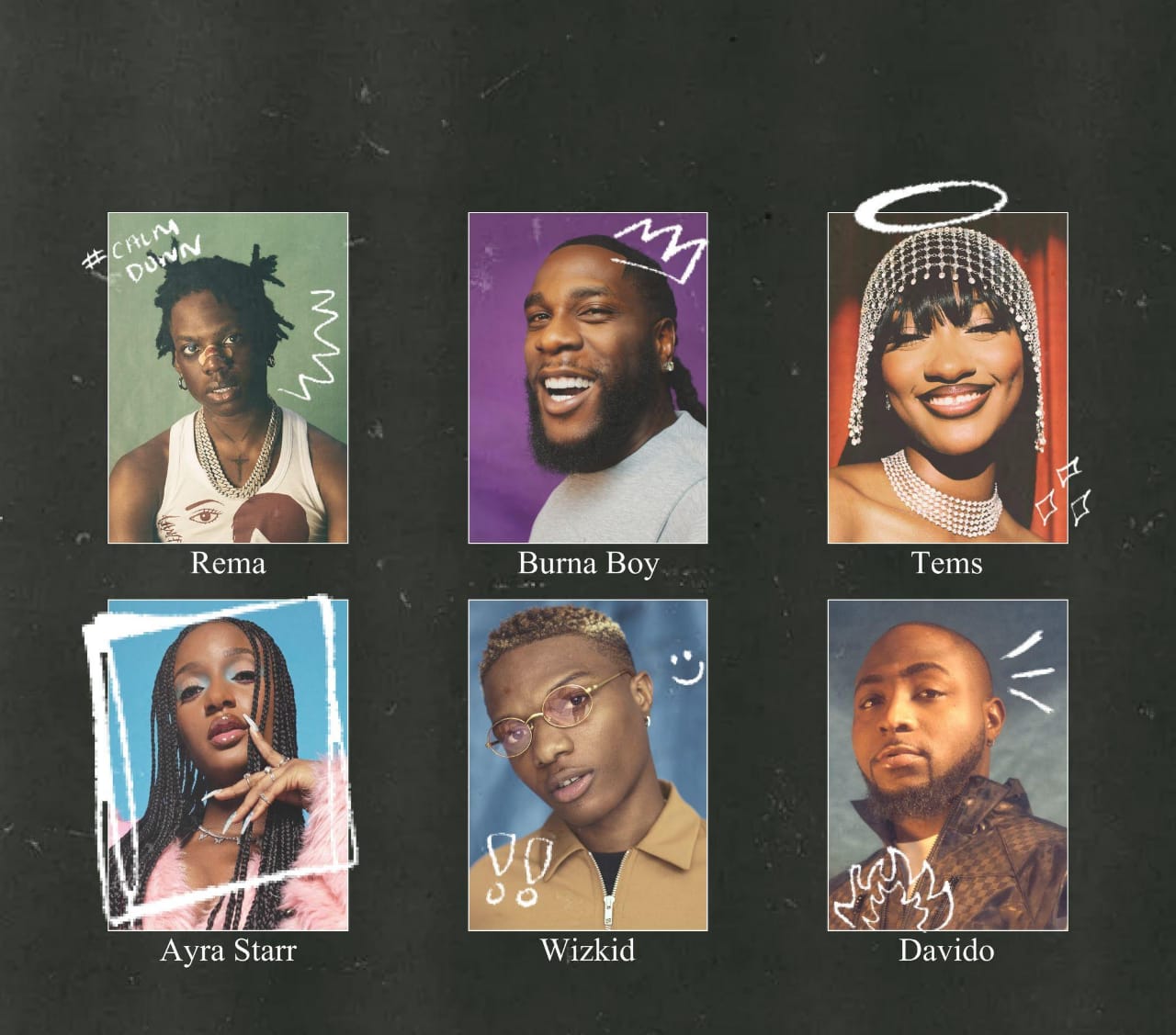
No conversation about Africa’s global musical rise is complete without Nigeria, the powerhouse of Afrobeats. Artists like Wizkid, Davido, Burna Boy, and Tems have turned local rhythms into global anthems. Their sound fuses Yoruba percussion, highlife melodies, dancehall flow, and hip-hop attitude — a cultural hybrid that’s irresistible and proudly African. With Grammy wins, Coachella stages, and billion-stream hits, these artists have transformed what once seemed niche into a global pop mainstay. Afrobeats is now more than music; it’s a form of soft power, branding Africa as bold, creative, and unstoppable.
“We didn’t change our sound to fit the world – the world adjusted to our sound,” Burna Boy famously said.
The Rise of Amapiano: South Africa’s Deep Groove Revolution
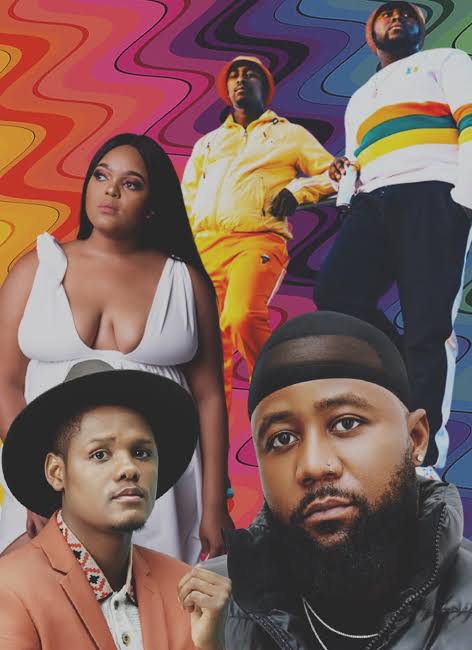
While Afrobeats shakes the world, Amapiano, born from South African townships has set dance floors ablaze worldwide. Its hypnotic blend of deep house, jazz, and kwaito rhythms has made DJs and producers from Soweto to London global stars. Artists like Kabza De Small, Major League DJz, and Uncle Waffles have carried Amapiano from local taverns to Ibiza clubs, international award shows, and TikTok trends. Amapiano is more than a genre, it’s a movement of youth identity, style, and digital entrepreneurship. It reflects South Africa’s creativity in motion: collaborative, innovative, and joyfully defiant.
“Amapiano is Africa’s heartbeat remixed for the world,” says DJ Maphorisa.
East Africa’s Melodic Explosion
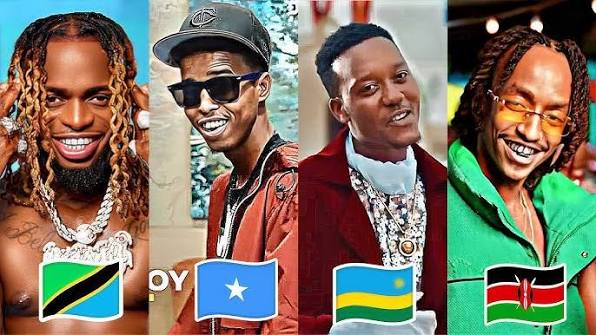
From Tanzania’s Bongo Flava to Kenya’s Gengetone, East African sounds are building global momentum. Diamond Platnumz, Zuchu, and Harmonize are blending Swahili melodies with Caribbean and Arabic influences, crafting a sound both soulful and international. In Kenya, Gengetone has become the pulse of urban youth culture, merging rap with dancehall slang and social commentary. Meanwhile, Ugandan stars like Eddy Kenzo and Azawi are breaking barriers with Grammy-nominated work and global collaborations. These artists are proving that linguistic diversity is not a barrier – it’s Africa’s superpower.
Francophone Fire: The Afro-Pop Francophone Wave
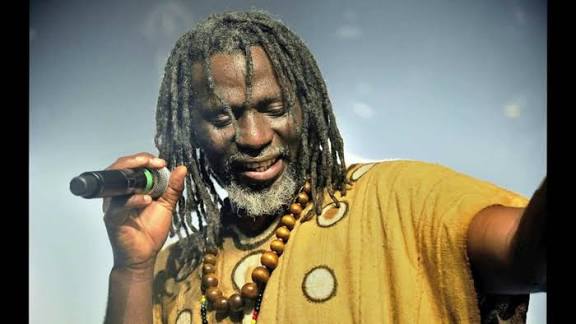
In the Francophone world, stars like Aya Nakamura (Mali/France), Fally Ipupa (DRC), and Didi B (Côte d’Ivoire) are reshaping global pop. Their songs dominate French charts while staying rooted in African storytelling, switching between Lingala, French, and Nouchi slang. Paris has become a second capital for Afro-pop – a bridge where African sound meets European audiences. “We sing in many languages, but the rhythm speaks one truth – we are African,” says Aya Nakamura.
The Diaspora Connection: Afro-Fusion Without Borders
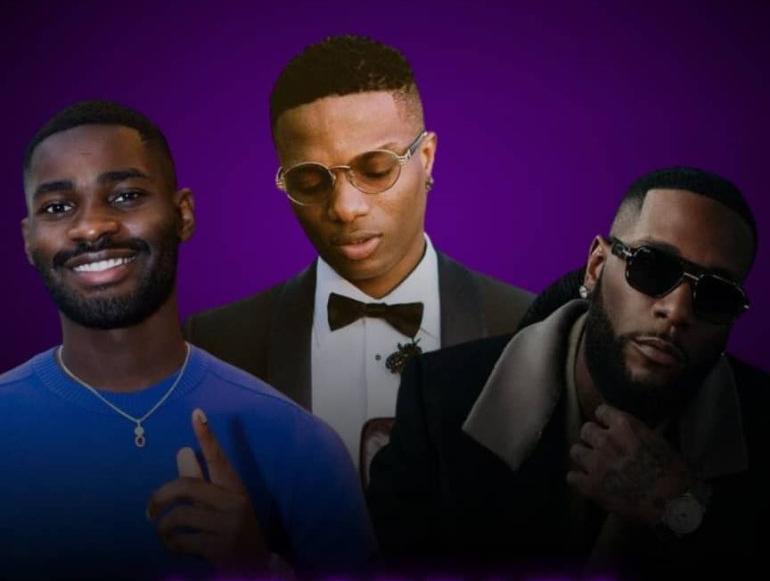
The global success of African sound also rides on the shoulders of the diaspora. Artists like Little Simz (UK/Nigeria), Stormzy (UK/Ghana), and Burna Boy embody a generation that blurs nationality. Their music narrates migration, identity, and resilience, using African rhythm as a universal language. Meanwhile, collaborations with global giants, from Beyoncé’s “The Lion King: The Gift” to Drake’s Afrobeats features – showcase how African artists have become co-architects of global culture, not guests in it.
Digital Platforms: The New Record Labels
Streaming platforms, social media, and short-form video apps have levelled the playing field. Artists no longer wait for Western validation, they build audiences directly. YouTube, Audiomack, and TikTok have birthed viral stars from small towns across Africa. Tyla, CKay, and Rema became global names through algorithmic discovery – proof that digital democratisation is the new gateway to fame. A single upload can now echo across continents, turning local hustle into global heat.
More Than Music: The Rise of Cultural Ambassadors
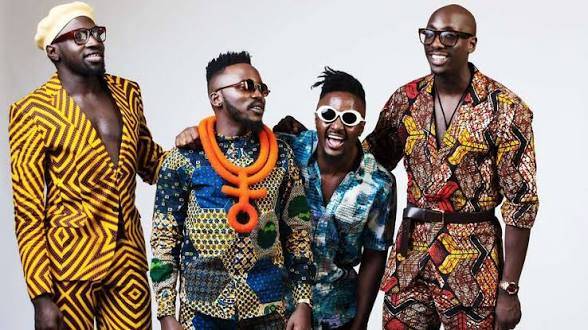
African artists are also redefining fashion, film, and activism. Tems, Sauti Sol, and Sho Madjozi use their platforms to champion African aesthetics, mental health awareness, and women’s empowerment. The African Union and UNESCO are now engaging these artists as cultural ambassadors, recognising music as a driver of economic growth and soft diplomacy. Creative economies across Nigeria, Kenya, South Africa, and Ghana are generating billions, employing millions of youth in music production, fashion, events, and digital marketing.
North Africa’s Rhythmic Renaissance
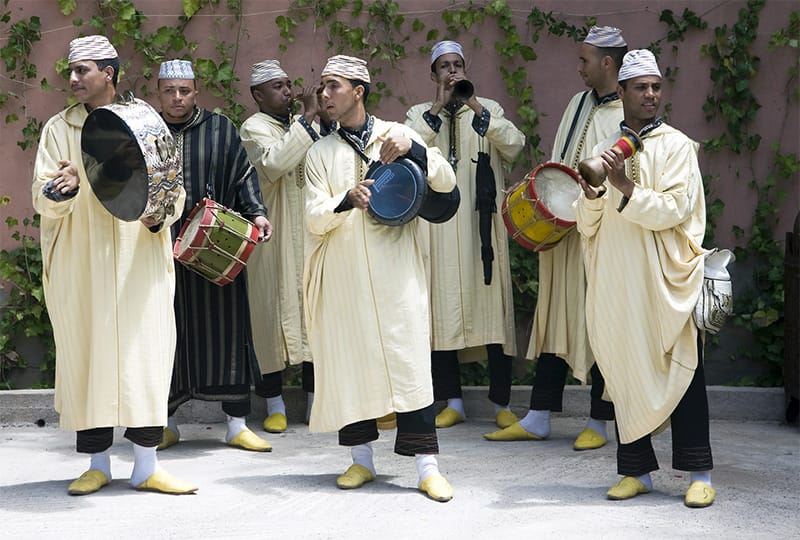
From Cairo to Casablanca, North African artists are fusing traditional sounds with global beats, bridging Africa and the Middle East. Morocco’s Manal, Egypt’s Wegz, and Algeria’s Soolking are blending rap, rai, and electronic fusion to capture new audiences from Paris to Dubai. In Tunisia, female artists like Emel Mathlouthi are using indie-electronica and protest poetry to spotlight political and cultural freedom. This fusion of Arabic, Amazigh, and African rhythms is creating a pan-African sonic identity that transcends geography.
Challenges Behind the Beat
Despite global acclaim, African artists still navigate challenges: limited royalties, piracy, restrictive visa regimes, and underdeveloped local infrastructure. But these barriers are not stopping the movement, they’re fueling its innovation. Artists are launching their own labels, NFTs, and live-stream concerts to claim control of their work and revenue. The message is clear: Africa’s music industry doesn’t need saving – it needs scaling.
The Soundtrack of Tomorrow
The world is finally dancing to Africa’s rhythm, but for African artists, this is just the beginning. From Afro-tech to spiritual folk, from township jazz to Afrofuturist beats, a new wave of musicians is experimenting with soundscapes that reflect Africa’s diversity and dynamism. The next global anthem might not just come from Africa – it might be Africa. The World Is Listening African music is not exporting culture, it’s exporting confidence. It’s teaching the world to move differently, to listen deeper, and to recognise the brilliance that has always existed on the continent. In every drumbeat, lyric, and dance challenge lies a message: Africa is not a trend – it’s the tempo of the future, because the beat that began here will never stop.