
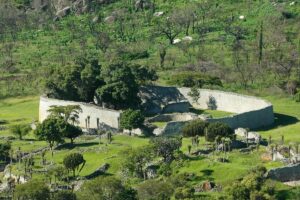






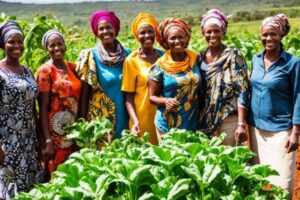


Across Africa, land has always held meaning far beyond property value. It represents lineage, livelihood, belonging, and identity. For generations, land ownership has been closely tied to cultural heritage, community structures, and economic survival.
Today, however, Africa is undergoing one of the fastest urban transformations in the world. Cities are expanding rapidly as populations grow and rural residents migrate in search of employment and opportunity. According to the United Nations, Africa’s urban population is expected to nearly double by 2050.
This rapid urbanization is reshaping the meaning of home ownership. While land once symbolized ancestral continuity within rural communities, modern African cities are forcing societies to rethink how housing is developed, financed, and accessed. Across the continent, governments, developers, and communities are experimenting with new models of housing innovation, land reform, and sustainable urban planning.
These efforts reflect a deeper reality: in Africa, homes are not merely shelters, they are cultural and economic anchors within rapidly evolving societies.
Africa’s urban growth presents both opportunity and challenge. Expanding cities have the potential to generate economic dynamism, innovation, and improved living standards. Yet rapid urbanization has also produced significant housing shortages.
The Challenge of Urban Housing in Africa
These challenges are driving new conversations about how African cities can develop housing systems that balance economic growth, social inclusion, and environmental sustainability.
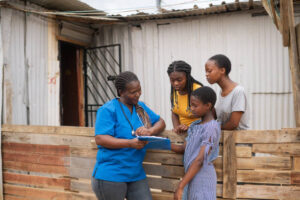
Many urban residents struggle to access affordable housing, forcing millions to settle in informal settlements where infrastructure and services remain limited. According to UN-Habitat, a large share of Africa’s urban population currently lives in informal housing due to limited access to land titles, financing, and affordable construction options.
A New Vision for African Home Ownership
Across the continent, new approaches to land and housing are emerging, from cooperative housing initiatives to smart city planning and community-led development.
These innovations reflect a broader shift in thinking about urbanization. Housing is increasingly understood not just as infrastructure, but as the foundation of stable communities and thriving economies.
In Africa’s rapidly changing cities, homes remain powerful symbols of both legacy and possibility. By rethinking land access, embracing sustainable development, and empowering communities to shape their own neighborhoods, African societies are redefining what home ownership means in the twenty-first century.
- Namibia’s Shack Dwellers Federation
In Namibia, grassroots organizations have taken a leading role in addressing housing challenges. The Shack Dwellers Federation of Namibia represents a powerful example of community-driven housing development.
Founded in the early 1990s, the federation organizes low-income residents to collectively save money and finance housing construction. Members contribute small amounts to community savings schemes, which are then used to purchase land and build affordable homes.
The organization works in partnership with local authorities and development partners to secure land rights and infrastructure support. Through this model, thousands of Namibian families have transitioned from informal settlements into secure housing.
The initiative highlights how community-based financial and organizational systems can empower residents to shape their own urban futures.
- Morocco’s National Slum Upgrading Programme
One of the most ambitious housing initiatives in Africa has been Morocco’s “Cities Without Slums” program, launched by the Government of Morocco. The initiative aims to eliminate informal settlements by replacing them with affordable housing developments connected to urban infrastructure such as roads, water, and sanitation systems.
Rather than relying solely on relocation, the program integrates residents into formal housing markets by providing subsidized housing units and facilitating land ownership. Over the past two decades, the program has improved housing conditions for millions of urban residents and significantly reduced the number of informal settlements in major cities such as Casablanca and Rabat. Morocco’s approach demonstrates how coordinated housing policy can transform urban landscapes while preserving social stability.
- Smart Urban Development in Côte d’Ivoire
In West Africa, Côte d’Ivoire has become a notable example of planned urban expansion. The government has launched several large-scale housing initiatives aimed at addressing the housing deficit in Abidjan, the country’s economic capital.
Projects such as the new city district of Grand-Bassam are designed to reduce congestion in the metropolitan core while creating modern residential communities. These developments emphasize improved urban planning, including transportation networks, green spaces, and mixed-use residential areas.
By integrating housing development with infrastructure planning, Côte d’Ivoire is attempting to create cities that are both economically dynamic and livable.
- Botswana’s Tribal Land System
While many countries focus on urban housing construction, Botswana offers an alternative perspective through its unique land governance structure.
The country operates a tribal land system administered by the Botswana Land Boards, which allocate land to citizens for residential and agricultural use. Under this system, a large share of land remains under communal ownership rather than private freehold titles.
Citizens can apply for land allocations through local land boards, which manage distribution and regulate land use. This approach has allowed many households to access residential plots at relatively low cost, enabling gradual home construction over time.
Botswana’s system demonstrates how hybrid land governance models — blending customary practices with modern administration — can shape distinctive pathways to home ownership.
Housing Innovation and Sustainable Settlements
Beyond policy reforms, architects and urban planners across Africa are exploring innovative approaches to sustainable housing.
New developments increasingly incorporate environmentally conscious building materials, energy-efficient designs, and climate-resilient infrastructure. These innovations are particularly important as African cities confront the realities of climate change.
Sustainable housing models also emphasize community-centered design. Public spaces, local markets, and shared infrastructure are integrated into neighborhood planning to strengthen social cohesion.
By combining environmental sustainability with social inclusion, these initiatives aim to build cities that support both economic growth and community well-being.
Homes as Cultural Anchors
Despite the rapid transformation of African cities, the cultural significance of home ownership remains deeply rooted.
For many families, building a home represents not only financial achievement but also social recognition and generational legacy. Homes often function as multi-generational spaces where extended families maintain social bonds and cultural continuity.
In this sense, housing development in Africa cannot be understood solely through economic metrics. It also reflects deeper cultural values related to identity, belonging, and heritage.
Modern urban housing systems must therefore navigate the intersection between traditional land relationships and contemporary urban realities.
The Future of African Cities
Africa’s urban population is expected to grow dramatically over the coming decades. This transformation will require innovative approaches to land management, housing finance, and urban planning.
Governments, private developers, and community organizations will all play crucial roles in shaping how cities expand. The most successful models will likely combine policy innovation with community participation, ensuring that urban development remains inclusive rather than exclusionary.
Ultimately, the question facing many African cities is not simply how to build more houses. It is how to build communities that preserve cultural identity while supporting economic opportunity.